The Last Hour Before Sleep Is Shaping Your Entire Next Day
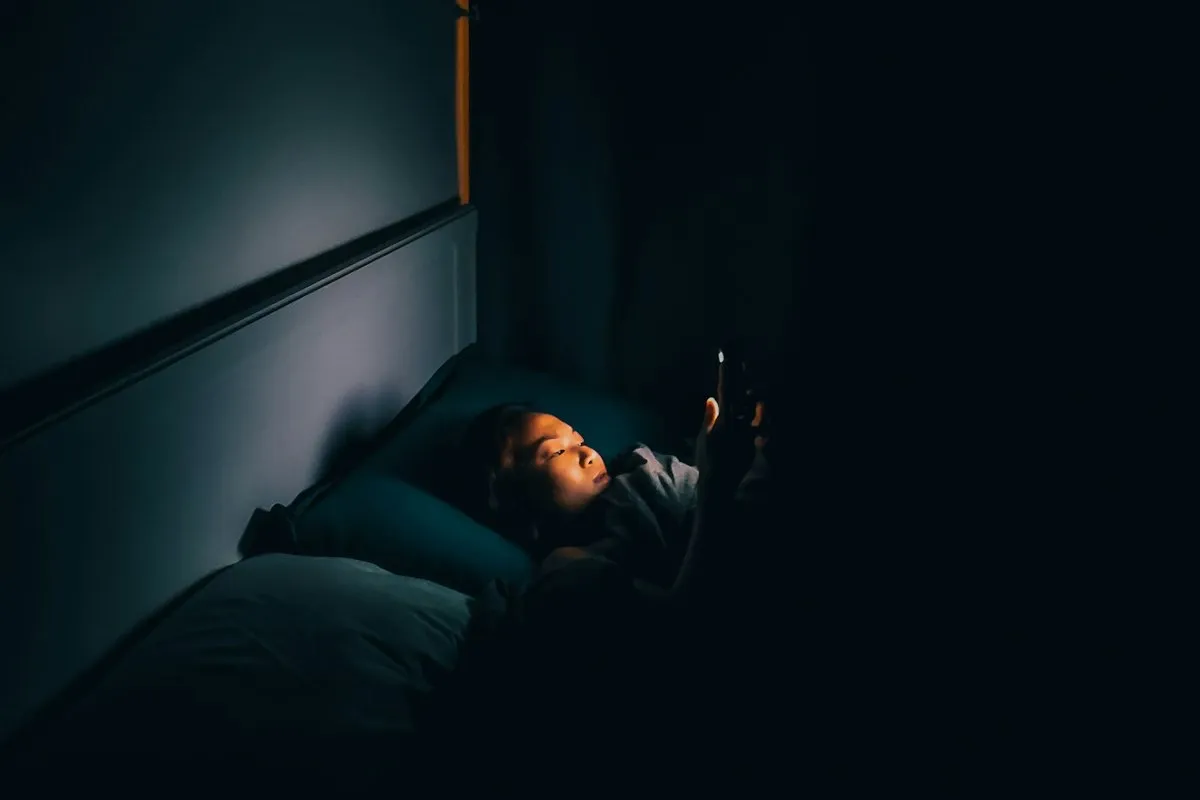
Last Tuesday I set my phone on the nightstand at 10:45pm. By 10:47 I’d picked it back up. Nothing had happened in those two minutes. That was exactly the problem.
I opened YouTube, watched half of a video about marathon pacing strategy I didn’t need, switched to Instagram, scrolled past three posts I won’t remember, then put the phone down again. Twenty-two minutes later. The whole time I was telling myself I was unwinding.
Wednesday morning was sluggish. A half-beat behind everything. Slower to focus, quicker to get annoyed, reaching for the phone earlier than usual. By Thursday I’d forgotten the connection entirely.
I only noticed because I’ve been tracking my days — activities, moods, energy — for over a year and a half now. The data doesn’t let me forget. And the pattern it keeps surfacing is uncomfortably clear: the nights I scroll before bed, the next morning is worse. Every time.
We Optimized the Wrong End of the Day
There’s a massive industry built around morning routines. Cold showers, meditation apps, gratitude journals, protein-first breakfasts. I’ve tried most of them. Some stuck. The morning gets all the attention because it feels like a fresh start. A place to build habits and set intentions.
Nobody talks about the last hour before sleep. That hour just happens. It’s the leftover time between “I should go to bed” and actually going. It fills itself with whatever requires the least effort. A Twitter thread. One more episode. Forty-five minutes of watching strangers cook on Instagram Reels.
I don’t think any of this is evil. I think it’s the path of least resistance, and we’re wired to follow it. The issue is that this particular window carries weight the morning can’t compensate for.
10:47pm Is Not the Same as 2:30pm
Checking your phone at 2:30 in the afternoon to reply to a message is a conscious act. Lying in bed at 10:47pm, half-watching a video the algorithm chose for you while your brain is trying to wind down — that’s something else entirely.
The blue light thing gets all the press. Harvard Health published a well-known piece on this: blue light suppresses melatonin for roughly twice as long as green light of the same brightness and shifts your circadian rhythm by about three hours. That’s real, and it matters. But I think it’s actually the smaller half of the problem.
The bigger half is cognitive arousal. Every piece of content you consume before sleep is a small demand on your attention. Process this clip. React to that comment. Form an opinion about a stranger’s take. Scroll past. Your brain doesn’t distinguish between “important decision” and “should I keep watching this.” It’s all just load, and it accumulates at exactly the time when your brain’s only job is to power down.
A randomized trial on bedtime phone restriction found that people who stopped using their phones thirty minutes before bed fell asleep faster, slept longer, had better sleep quality, and even showed improved working memory. Within four weeks. The interesting part is that the control group — who kept using their phones normally — showed no change. The improvement wasn’t from adding something. It was from removing something.
The National Sleep Foundation puts it plainly: 58% of Americans are looking at screens within an hour of bedtime. We all kind of know this isn’t great. We do it anyway.
It’s not the total hours on the phone that matter as much as when and why. Deliberate use during the day looks nothing like compulsive use at night. Same device, completely different relationship.
The Silence That Needs Filling
Here’s what bothers me about my own behavior. I set the phone down. The room goes quiet. And within two minutes, the quiet feels like a gap that needs filling. I’m not anxious. I’m not restless. The silence is just unfamiliar. I’ve trained myself out of it.
I think about this a lot, actually. We’ve built an entire culture around filling dead air. Podcasts for the commute, music for the gym, a show for dinner. Silence used to be the default state of most human evenings for most of human history. Now it feels like something went wrong.
The hour before sleep could be the most valuable reflective time in the day. Everything’s done. The demands have stopped. There’s nothing left to respond to. It’s exactly the kind of space where genuine thinking happens — the sort of unstructured, wandering thought that meditation retreats charge thousands of dollars to facilitate. Marcus Aurelius used to end each day reviewing his actions, asking himself what he did well and what he could improve. He didn’t have a phone to reach for instead.
Instead, I numb it. We numb it. The content isn’t even that good — it’s just easier than sitting with the question of whether we spent our day well. The scroll isn’t a reward. It’s an escape from a question we’d rather not answer.
What Wednesday Morning Inherited
When I scroll before bed, I don’t just sleep less. I sleep differently. The kind of sleep where you wake up and feel like you were busy all night. Less patience. Less clarity. More reactive. Small things that normally slide off me suddenly have texture.
There’s a study that looked at this in young adults and found that evening smartphone use didn’t just mess with how quickly people fell asleep — it disrupted the architecture of the sleep itself. The deep stages where memory consolidation happens, where emotional processing takes place, where your brain sorts through the day and files things away. That process gets interrupted, and you wake up with yesterday’s emotional residue still sitting there, unprocessed.
That explains the reactivity. The shorter fuse. The vague sense that you’re running behind before you’ve even started.
And there’s a compounding effect I didn’t expect. A bad night’s sleep makes me more likely to reach for the phone earlier the next day. Which makes me more likely to scroll that evening. Which makes the next morning worse. The cycle is remarkably hard to spot from inside it because each individual night feels insignificant. It’s only visible in the aggregate, across weeks and months, when you start wondering why everything feels slightly off and you can’t identify a single cause.
This is what an epidemic of emptiness looks like up close. A slow erosion that’s invisible on any given night.
I Haven’t Figured This Out
I want to be honest. I don’t have a system for this. Some nights I journal instead. Some nights I read. Some nights I just lie in the dark and let my mind wander, which is harder than it sounds when you’ve spent a decade reaching for a screen at the first hint of boredom.
Some nights I fail and watch thirty minutes of content I won’t remember by morning.
The difference is that I notice now. The data makes the pattern visible, and once it’s visible, I can’t pretend it doesn’t matter. I can’t keep designing my mornings while surrendering my nights and expect the math to work out.
There’s a temptation to wrap this up neatly. Put the phone in another room. Try a “digital sunset.” Read a book. And maybe those help. But the deeper thing isn’t about where the phone sits. It’s about what we’re avoiding when we pick it up. The quiet. The question. The review of a day that may not have gone the way we wanted.
I suspect that’s the real reason the last hour is so hard to reclaim. It’s not that the content is too compelling. It’s that the alternative — being alone with yourself at the end of the day — asks something most of us have gotten very good at avoiding.
I’m still figuring it out. Most nights I’m better at it than I was a year ago. Some nights I’m not. The phone is right there, and the silence is still unfamiliar.
Photo by hermes rivera on Unsplash
Related Articles
New Year's Resolutions for 2026
Five concrete resolutions for 2026 that focus on what makes us human: intentionality, creativity, relationships, learning, and purpose in a world of AI and digital distraction.

In the Age of Free Knowledge and AI, Self-Knowledge is the Only Currency That Matters
In the age of AI, knowledge is free. But self-knowledge—understanding YOUR patterns, YOUR triggers, YOUR gaps—is priceless. This is the only differentiation that matters.

Finding Your Values: The Framework That Actually Helps
A practical guide to discovering your core values through pattern recognition across life domains, helping you make decisions aligned with what actually matters to you.