In the Age of Free Knowledge and AI, Self-Knowledge is the Only Currency That Matters
I spent years in the self-improvement bubble. Podcasts on productivity, books on habit formation, videos on optimal performance. I optimized my morning routine, tracked my calories, learned the neuroscience of willpower. And it worked. I reached my goals. Got the promotion. Built the habits.
Then I asked myself: what for?
Was I living the life I wanted, or optimizing one the internet told me I needed? The gains felt good at first, but over time they disconnected from my intentions. Learning how to trick my brain into holding a plank 30 seconds longer wasn’t going to change my life. I didn’t need more knowledge about optimization. I needed a perspective shift.
More information wasn’t the answer. Understanding myself was.
That realization led me to build Activities Matter. Not as another productivity tool, but as a way to help people discover who they actually are beneath all the frameworks they’ve collected.
We’ve Never Been More Informed About Living Well
The modern knowledge economy has given us everything. Three-hour podcasts dissecting procrastination. Books decoding the neuroscience of habits. Free courses on focus, balance, and meaning. YouTube explainers for every aspect of human behavior. AI chatbots that can summarize millennia of philosophy in seconds.
We’re drowning in wisdom about living well.
And nobody can consume it all. A significant portion is free. Much of it repeats the same principles in slightly different packaging. The seven habits become the five pillars become the four agreements. The information is abundant, accessible, and increasingly redundant. Yet here we are, still stuck in the same patterns.
The gap between knowing and doing has never been wider. We listen to a three-hour podcast on focus while checking our phones every six minutes. We save articles about intentional living and never read them. We know what we should do. We’re just not doing it.
Information is no longer the bottleneck. Something else is.
The Map Without Your Location
General knowledge only gets you so far. Then you need to look inward at who you really are.
The frameworks are useful. Exercise improves mood. Sleep affects performance. Social connection matters for wellbeing. These are true statements, backed by research, repeated in every wellness podcast.
But they’re incomplete.
The real questions are different: Does YOUR morning run energize you, or does it make you resentful? Do YOU actually feel better after “productive” days, or is there something else at play? Where did YOUR time go last month, and does it reflect what you claim to care about?
These aren’t rhetorical questions. Most of us genuinely don’t know the answers.
I spent months wondering why I felt good on some evenings working on Activities Matter and terrible on others. It wasn’t about how much I achieved. I’d have great evenings where I made little progress and miserable ones where I completed major features.
The pattern became clear only when I looked at my expectations, not my output. On days when I set modest goals, I felt satisfied. On days when I expected too much, nothing was enough. I’d hit my target and immediately raise it. A never-enough cycle, powered by arbitrary expectations I’d set for myself.
No podcast explained that. No framework predicted it. The answer was hidden in my own patterns, waiting to be discovered. Building something isn’t a sprint—it’s a marathon. Consistency matters, and the best way to sustain it is by enjoying what you’re doing.
The gap between your self-narrative and your actual behavior—that’s where the real work begins.
You’re Already Generating the Answers
Every day, you create data. What drains you. What energizes you. The activities that tank your mood. The ones that lift it. The gap between your stated priorities and where your time actually goes.
This isn’t abstract. It’s happening right now, in real time, through the choices you make and the feelings they generate.
But we treat this information as noise, not signal. We look everywhere for answers—books, experts, frameworks—except at our own experience.
Your life is a curriculum you’re not studying.
Here’s what no app or framework can do: the self-awareness part. A tool can collect data. It can visualize patterns. It can ask you questions. But only you can interpret what those patterns mean. Only you can decide what matters. People have done this with pen and paper for centuries. Now we have more targeted, opinionated tools—but the actual process is the same.
The heavy lifting of insight—that’s yours alone.
Self-tracking can become narcissistic. Data can mislead. Optimization is just self-exploitation in a different form. This isn’t about achieving perfect self-knowledge or gamifying every aspect of existence.
It’s about asking better questions. Moving from “Why can’t I focus?” to “What specifically happened in the hour before I lost focus?” From “Am I balanced?” to “Where did my energy go this week?”
The difference between vague dissatisfaction and useful insight is specificity.
From Consumption to Investigation
The knowledge economy trained us to be collectors. Save the article. Bookmark the podcast. Screenshot the framework. Build a library of wisdom we’ll reference someday.
We never do. The collection becomes a graveyard.
What if the approach was inverted? Instead of learning about procrastination from experts, you discovered YOUR procrastination patterns. Instead of reading about life balance, you visualized where YOUR time went last month. Instead of consuming frameworks, you generated insights from your own behavior.
This is the shift from passive consumption to active discovery. From student to subject. From learning about living to learning from living.
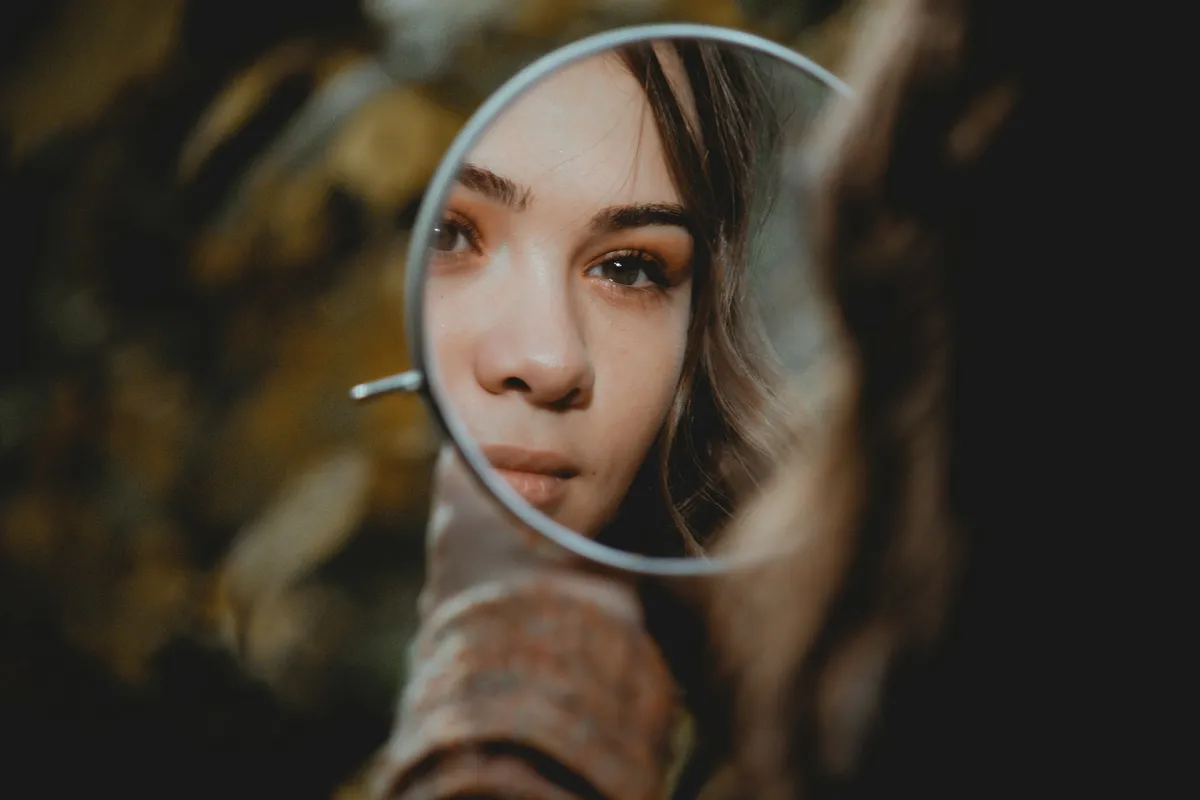
Activities Matter was built around this idea. Not as another optimization tool, but as a mirror. A way to treat your life as data—not cold, clinical data, but warm, curious information about what’s actually happening beneath the stories you tell yourself.
But the tool isn’t the point. The shift is internal. You can journal with pen and paper. You can use spreadsheets. You can simply pay closer attention.
The medium matters less than the stance: investigator, not consumer.
When Knowledge is Free, Self-Knowledge is Priceless
AI can explain procrastination’s neuroscience. Podcasts can outline productivity frameworks. Books can map the stages of habit formation.
But no external source can tell you why YOU avoid that specific project. Why YOUR mood crashes on Thursdays. What YOUR actual priorities are, revealed not by what you say but by where your attention goes.
In the attention economy, self-knowledge and self-control are the only differentiators that matter. The gap between living intentionally and drifting through life as a passive consumer closes the moment you understand your own patterns.
This isn’t just about productivity or balance. It’s about agency.
The question isn’t whether more information will help you. It won’t. The question is whether you’re willing to look at the information you’re already generating—the feelings, the choices, the gaps between intention and action—and treat it as the curriculum it is.
I still save podcasts I won’t listen to. I still catch myself collecting frameworks instead of applying them. But now I notice it. I see the pattern.
And noticing, it turns out, is where choosing begins.
Photo by Elisa Photography on Unsplash
Related Articles

My AI Wrote Perfect Blog Posts, and I Felt Nothing. Here's Why.
A personal essay on the soullessness of AI-generated content, using a marathon training epiphany to argue that true fulfillment comes not from the final product, but from the process of intentional, daily action.
New Year's Resolutions for 2026
Five concrete resolutions for 2026 that focus on what makes us human: intentionality, creativity, relationships, learning, and purpose in a world of AI and digital distraction.
An Epidemic of Emptiness
A personal essay exploring the modern epidemic of emptiness, its root causes in our relationship with technology and productivity, and how a conscious shift toward intentional living can be the antidote.